Timeless Jewellery Guide: History, Types, Materials & Styling Tips
Jewellery has captivated human imagination for thousands of years. From symbolic ornaments worn by ancient civilizations to the modern fusion of art and fashion, it continues to serve as a powerful expression of identity, status, and personal style. Today’s jewellery landscape blends tradition, innovation, and craftsmanship—offering pieces that appeal to collectors, minimalists, and everyday wearers alike.
The Evolution of Jewellery Through History
Jewellery has taken many forms throughout history, shaped by culture, belief, and artistry.
Civilizations such as Egypt, Mesopotamia, Greece, and Rome used jewellery not just for ornamentation but for spiritual protection, social rank, and rituals. Materials like gold, gemstones, and shells held symbolic value and were meticulously shaped by early artisans.
As time progressed:
-
Medieval Europe embraced religious iconography and noble heraldry.
-
Renaissance jewellery emphasized scientific precision and gemstone brilliance.
-
Victorian designs became sentimental, featuring motifs of love, mourning, and symbolism.
Today, jewellery combines the essence of these historical styles with modern techniques, creating pieces that honor heritage while embracing contemporary aesthetics.
Types of Jewellery and Their Distinct Appeal
Fine Jewellery
Crafted with precious metals and gemstones, fine jewellery is cherished for its durability and long-term value. Popular choices include:
-
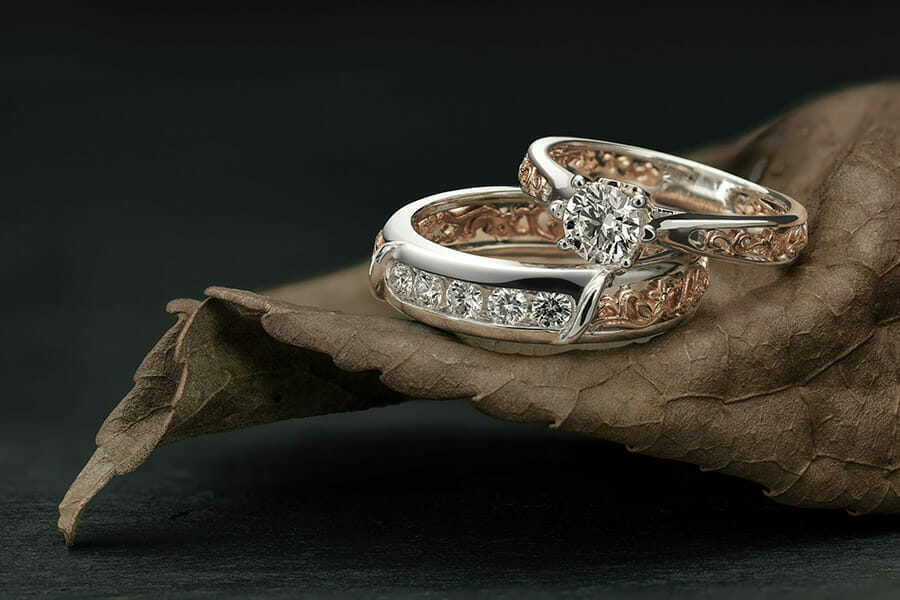
Gold and platinum rings
-
Diamond necklaces
-
Emerald, ruby, and sapphire pendants
-
Heirloom-quality bracelets
These pieces are often associated with life milestones such as engagements, weddings, and anniversaries.
Fashion Jewellery
Fashion jewellery (or costume jewellery) focuses on trend-driven designs using accessible materials such as stainless steel, brass, and synthetic stones. It allows wearers to experiment with styles without major investment.
Handcrafted Artisan Jewellery
This category celebrates craftsmanship and individuality. Artisans create one-of-a-kind pieces using:
-
Hand-shaped metals
-
Natural stones
-
Ethical, locally sourced materials
Each piece carries the artist’s creative vision, making it deeply personal and distinctive.
Cultural and Traditional Jewellery
Many cultures maintain their own jewellery traditions, such as:
-
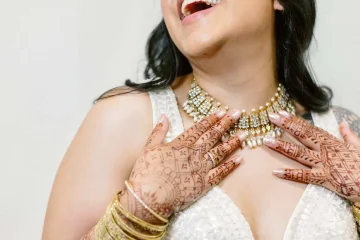
Indian Kundan and Polki sets
-
Native American turquoise jewellery
-
Middle Eastern gold filigree work
-
African beadwork and tribal ornaments
These pieces carry generational stories, symbolism, and cultural identity.
Understanding Materials: What Makes Jewellery Last
Precious Metals
Gold, silver, and platinum remain the most sought-after for their beauty and resistance to tarnish. Their purity levels (like 14k or 18k) influence durability and value.
Gemstones
Natural gemstones are admired for their rarity and brilliance. Key categories include:
-
Precious stones – diamond, ruby, sapphire, emerald
-
Semi-precious stones – amethyst, garnet, aquamarine, topaz
-
Organic gems – pearls, coral, amber
Cut, clarity, color, and carat weight determine their value.
Alternative Materials
Modern jewellery also incorporates:
-
Stainless steel
-
Titanium
-
Resin
-
Ceramic
-
Lab-grown gemstones
These materials improve durability and offer budget-friendly options.
Jewellery Care and Maintenance Tips
Proper care ensures that jewellery retains its brilliance. A few essential habits include:
-
Storing items separately to prevent scratches
-
Cleaning gold and silver using gentle, non-abrasive solutions
-
Keeping gemstones away from harsh chemicals
-
Removing jewellery during heavy physical activities
-
Getting prongs and settings checked yearly
With mindful maintenance, jewellery can last generations.
How to Choose Jewellery That Matches Your Style
Selecting jewellery is a personal journey. Consider:
-
Lifestyle – Everyday wear requires durable, versatile pieces
-
Skin tone – Warm tones suit gold; cool tones complement silver and platinum
-
Occasion – Fine jewellery for formal events; minimalist pieces for daily wear
-
Meaning – Many people prefer pieces with symbolic or emotional value
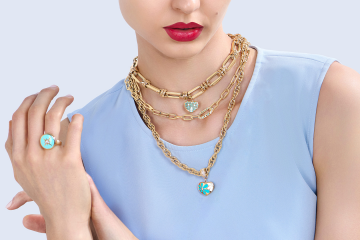
Modern trends encourage mixing metals, layering necklaces, and embracing bold statement pieces alongside subtle classics.
FAQ
1. What is the difference between fine jewellery and fashion jewellery?
Fine jewellery uses precious metals and gemstones, while fashion jewellery uses more affordable materials like stainless steel or synthetic stones.
2. How can I tell if a gemstone is genuine?
Authenticity can be confirmed through certification from a recognized gemological laboratory or evaluation by a professional jeweller.
3. Is it safe to wear jewellery every day?
Yes, but delicate pieces or those with soft stones should be removed during strenuous activities to avoid damage.
4. What metal is best for sensitive skin?
Hypoallergenic metals such as platinum, titanium, and high-quality gold are ideal for sensitive skin.
5. How often should I clean my jewellery?
For frequently worn pieces, a gentle cleaning once every 1–2 months is ideal.
6. Are lab-grown diamonds real diamonds?
Yes, they possess the same physical and chemical properties as natural diamonds but are created in controlled environments.
7. Why do some metals tarnish over time?
Exposure to moisture, air, and chemicals can cause metals like silver to oxidize, leading to tarnish.