Seasonal Guide to Daylily Plants for Sale for Long-Lasting Summer Color, from a Specialist Grower
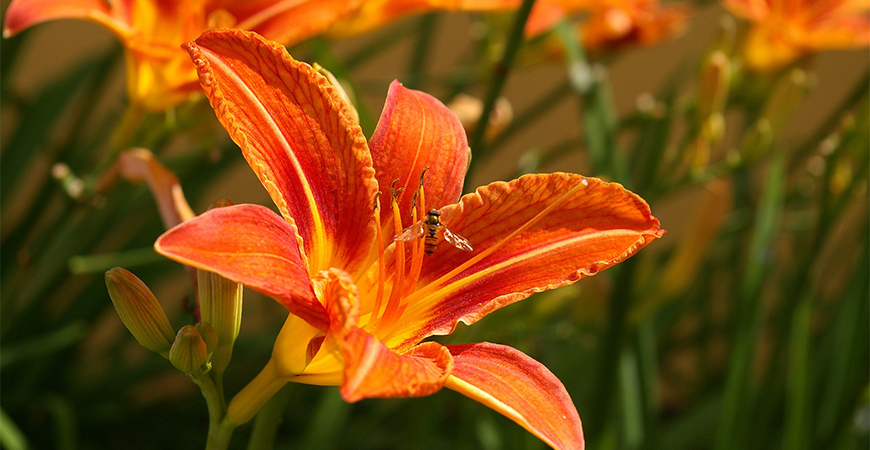
Summer color is not only about brightness. It is about continuity, timing, contrast, and the feeling that the garden still has energy as the season moves forward. Daylilies are often associated with generous bloom, but their best use comes from placing that bloom inside a seasonal plan. They can connect early summer growth with high summer color and late summer structure. The premier grower of Daylily plants https://swallowtail-daylilies.com/ advises gardeners to plan summer color as a sequence rather than a single moment. Daylilies reward that approach because their foliage, buds, flower stems, and reblooming potential can all contribute to the border. A garden that considers the whole season usually looks richer and calmer than one designed around one peak week.
The seasonal value of daylily plants for sale becomes clearer when gardeners look beyond a single flower image. A clump has a spring presence, a bud stage, a flowering period, and an after-bloom role. Choosing and planting with those stages in mind creates color that feels long-lasting because the whole plant is working, not only the bloom.
Looking at the Garden Before Peak Summer
The best time to plan summer color is before the garden reaches its most crowded moment. In spring and early summer, it is easier to see where gaps will appear, where foliage is already too dense, and where a stronger middle layer is needed. Daylilies can be used to answer those observations. Their emerging leaves bring shape before the flowers open, which makes them useful for building the season from the ground up.
Early observation also prevents impulse placement. A bare patch in spring may later be covered by a neighboring perennial, while a crowded area may need editing rather than more plants. By watching the garden over several weeks, a gardener can decide where daylilies will add value instead of simply filling available soil.
This stage is also the moment to think about access. Summer borders become harder to work in once plants are full. Placing daylilies where they can be watered, mulched, and cleaned without disturbing surrounding plants will make the first season smoother. Good seasonal color begins with practical planting.
Before peak summer, it is also useful to notice where the garden already has dependable foliage. A bed with strong shrubs and grasses may need daylilies for flower color and seasonal lift. A bed made mostly of flowering perennials may need them for a steadier clump shape. The same plant can solve different seasonal problems depending on the existing structure. Taking notes at this stage prevents overplanting the areas that are already successful and neglecting the areas that will become weak later. Summer color is strongest when it is placed where the garden actually needs support.
Early-season planning is also the best time to notice where the garden needs steadiness rather than spectacle. Some beds do not need another bright accent. They need a reliable clump that holds shape while other plants move in and out of bloom.
Planning Color From Early Buds to Late Flowers
Daylily color does not begin only when the first bloom opens. Buds and stems create anticipation, and they can add vertical interest before the flower display is fully underway. In a mixed border, that stage is valuable because it signals a change in the season. The plant begins to lift the eye, preparing the bed for a stronger summer rhythm.
Flower timing should be spread where possible. If every daylily in a bed blooms at the same moment, the display may be impressive but short in feeling. Combining selections with different bloom windows can extend the effect. Even when exact timing varies by climate and weather, the principle remains useful: plan for movement through the season rather than one sudden burst.
Late flowers are especially valuable near seating areas and main views. By late summer, some gardens begin to look tired, and a daylily that continues the color story can keep the border alive. The most satisfying seasonal designs often place later interest where it will be noticed most.
Planning from buds to late flowers encourages gardeners to think in layers of attention. Buds create vertical points, open blooms create color, and fading stems signal the need for cleanup. None of these phases should be surprising. If a clump is planted in a highly visible area, the gardener should be willing to manage the after-bloom stage. If a clump is placed farther back, a looser maintenance rhythm may be acceptable. Matching care expectations to visibility keeps the garden looking intentional without demanding the same standard in every corner.
A long summer sequence can include quiet intervals. Not every week has to be equally showy. Daylilies can carry important color moments, while foliage and companion plants keep the bed readable between those moments. This pacing makes the season feel more natural.
Balancing Fresh Growth With Existing Perennials
A new daylily should not be asked to compete with mature perennials on its first day in the ground. Existing plants may already occupy root space, cast shade, or dominate the visual field. Balancing new growth with old planting means giving the daylily a fair start. That may require widening a planting pocket, improving soil, or moving a neighbor that has outgrown its role.
Fresh growth also needs visual support. A young clump can look small beside established shrubs or grasses, so it helps to plant in a position where its eventual size makes sense. The gardener should imagine the plant two or three seasons ahead. A bed planned only for immediate fullness can become crowded just when the daylily begins to perform well.
Existing perennials can be allies. Plants that bloom before or after the daylily can create a longer sequence, while foliage contrasts can make both plants look better. The goal is not to make the daylily dominate, but to let it join the seasonal pattern with confidence.
Balancing fresh growth with established plants may require editing the existing bed. Sometimes the right preparation is not adding more soil or fertilizer, but removing a tired perennial that no longer earns its space. Daylilies can bring new energy, yet they should not be forced into a planting that is already overfilled. Creating a clean planting pocket gives the new clump a better chance and improves the surrounding design. This kind of editing is often what separates a refreshed border from one that merely contains more plants.
New growth should be protected from accidental competition. Fast spring perennials can lean over a young clump before the gardener notices. A little early editing around the planting pocket can help the daylily establish without being shaded or crowded.
Watering and Mulching for a Strong First Season
Daylilies are often described as tough, and that is fair once they are established. Still, a new plant deserves care in its first season. Regular watering during dry periods helps roots settle into the surrounding soil. Deep watering is usually more useful than frequent shallow sprinkling because it encourages the plant to root beyond the immediate planting hole.
Mulch supports that effort. A clean layer around the plant helps moderate soil temperature, conserve moisture, and reduce competition from weeds. It also makes the bed look finished while the plant grows into its space. Mulch should not be piled against the crown, but it should cover nearby exposed soil where weeds would otherwise take advantage.
First-season care is part of seasonal design because it protects future color. A stressed plant may survive, but it may not show its full value. A plant that establishes well can return stronger, flower more generously, and integrate into the border with less intervention in following years.
Watering and mulching should also be adjusted to the season’s weather rather than performed by habit alone. A cool, rainy spring may require less irrigation, while a hot dry spell after planting may require close attention. Mulch depth may need to be renewed in exposed beds but kept lighter in areas where soil stays damp. Daylilies are forgiving, but responsive care helps them establish with less stress. A gardener who reads the weather and the soil will usually get better first-season growth than one who follows a fixed schedule without observing the plant.
Mulch is also part of the visual season. A neat mulch surface makes young plants look intentional and keeps the bed calm while foliage fills in. It supports the roots and the appearance of the border at the same time.
Reading the Border After the Main Flush
After the main bloom period, the garden tells the truth about design. If the border still has shape, contrast, and rhythm, the daylilies have been placed well. If it suddenly feels empty or messy, the problem may not be the plant itself but the companions and spacing around it. This is the moment to observe rather than immediately cut everything back.
Spent stems can be removed to clean the view, and tired foliage can be trimmed selectively if it distracts from the bed. However, the plant should still have enough leaf area to support itself. A moderate approach keeps the border neat without treating the daylily as disposable after flowering.
Late-season reading also helps plan future changes. Perhaps a pale flower needs a darker companion behind it, or a vivid clump would be better repeated elsewhere. The weeks after bloom are full of useful information. Gardeners who pay attention then make better choices next season.
Reading the border after the main flush can reveal whether the color sequence needs more late-season support. If the daylilies finish and the bed immediately loses interest, consider companions with later flowers, seed heads, or strong foliage. If the bed still looks good, the daylilies are probably part of a successful structure. This evaluation should happen while the impressions are fresh. Waiting until winter makes it harder to remember where the summer design felt strong and where it weakened. Seasonal notes become a quiet but powerful design tool.
After-bloom review should include photographs if possible. The camera reveals whether the bed still has balance or whether all interest has collapsed into one area. Those images become useful references when planning additions or divisions later.
Preparing Clumps for Future Summers
Long-lasting summer color is built over several years. Once daylilies are established, they can be divided when clumps become crowded or when flowering declines. Division renews vigor and can provide additional plants for repeating a successful color elsewhere. It should be done with attention to timing, moisture, and the plant’s recovery period.
Preparing for future summers also means recording what worked. A simple note about bloom timing, color pairings, and maintenance needs can prevent guesswork. Gardens are living systems, and memory alone is not always reliable when seasons are busy. Observations made in summer become useful decisions in fall or spring.
The seasonal guide, then, is not only about buying and planting. It is about watching, supporting, adjusting, and allowing good plants to mature. Daylilies bring their strongest value when the gardener sees them as part of a long summer story. With that approach, color lasts because the design itself has continuity.
Preparing for future summers also includes protecting the identity of successful plants. Labels can fade or disappear, and memory can blur similar colors. If a clump performs especially well, record its position, color behavior, and bloom timing. This helps when dividing, repeating, or ordering related plants later. Long-lasting color is not created in one purchase; it is built through observation and repetition. Daylilies reward that patient approach because a strong clump can become more useful as the garden around it matures.
Future summers are shaped by what the gardener learns now. A clump that thrives in one position can suggest a repeated idea elsewhere. Seasonal color becomes more dependable when each year’s observations are allowed to guide the next year’s choices.
The most useful seasonal habit is to treat every summer as information for the next one. A clump that blooms earlier than expected, handles heat well, or pairs beautifully with a nearby perennial should influence future choices. A plant that struggles may reveal a soil, spacing, or competition issue that can be corrected. This patient feedback loop is what turns a seasonal display into a long-term garden plan.