How to Find 24-Hour Auto Repair Shops Near You
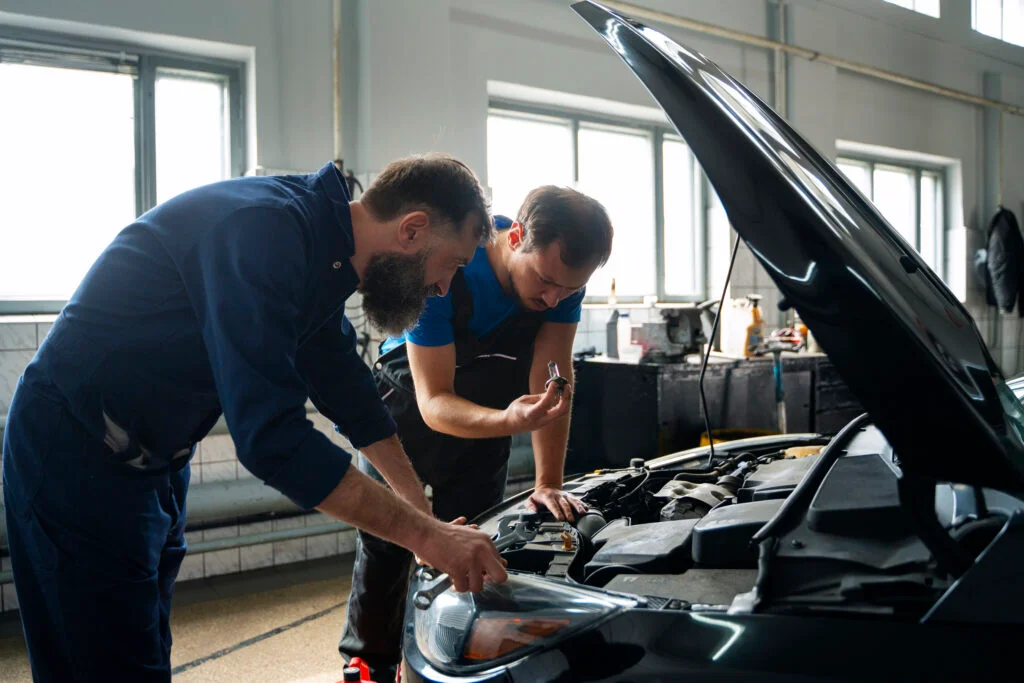
When your car breaks down late at night, on a weekend, or during a long road trip, finding help immediately becomes your top priority. Having access to a 24-hour auto repair shop can make the difference between being stranded for hours and getting safely back on the road. Whether it’s a flat tire, a dead battery, or a more serious mechanical failure, knowing how to locate reliable round-the-clock service is an essential skill for every driver.
Many drivers assume that auto repair shops only operate during regular business hours, but that’s not always the case. Certain locations offer 24-hour assistance, including towing, diagnostics, and emergency repairs. Learning how to identify, evaluate, and choose these facilities can save you from costly towing fees and extended delays. This comprehensive guide explains everything you need to know about finding dependable 24-hour auto repair shops near you and what to consider before trusting one with your vehicle.
Why You Might Need a 24-Hour Auto Repair Shop
Car trouble rarely happens at a convenient time. Whether you’re driving home late from work or heading out on a road trip, emergencies can strike unexpectedly. Having a reliable repair option available 24/7 ensures safety, peace of mind, and timely service.
Common reasons to seek 24-hour service:
- Unexpected breakdowns: Engines, transmissions, and cooling systems can fail without warning, often outside regular shop hours.
- Flat tires or blowouts: If you’re traveling late at night, finding someone to replace or patch a tire immediately is crucial.
- Battery failures: Cold weather, old batteries, or electrical faults can leave you stranded without power.
- Towing emergencies: A 24-hour shop often partners with tow truck services for quick roadside recovery.
- Long-distance travel: When driving across states or rural areas, after-hours help can prevent being stuck overnight.
Understanding your needs helps narrow down which type of 24-hour service to look for—whether it’s emergency towing, mechanical repair, or both.
Step 1: Use Online Search Tools and Maps
The most efficient way to find 24-hour auto repair shops near you is by using online resources and map-based search tools. Today’s digital platforms make it easy to filter businesses by operating hours, ratings, and services.
Effective online strategies include:
- Google Maps Search: Type “24-hour auto repair near me” or “open auto repair shop now.” Google will show nearby options, reviews, directions, and contact details.
- GPS Navigation Systems: Many modern vehicles have built-in GPS systems that display nearby service stations and repair centers operating at all hours.
- Auto Club Apps: Membership services like AAA or local roadside programs often provide maps of 24-hour mechanics within your current area.
- Local Listings: Check digital directories such as Yelp or Yellow Pages that list verified automotive businesses open 24/7.
Once you have a list, call ahead to confirm the shop’s hours since some may only offer emergency towing and not full mechanical repair overnight.
Step 2: Prioritize Proximity and Accessibility
When searching for a repair facility, location is key. In emergencies, every minute counts, and a shop close to your current position minimizes waiting time and towing expenses.
Key location-related considerations:
- Distance: Ideally, choose a shop within a 10–15-mile radius if your vehicle is operable.
- Accessibility: Some shops are located in industrial zones with limited nighttime access. Confirm they’re reachable by tow trucks and safe to visit after dark.
- Rural vs. urban areas: Rural regions might have fewer 24-hour repair options, so look for general service stations that offer basic mechanical help or towing.
- Highway services: For road trips, identify major service plazas or highway-adjacent facilities that provide full-time assistance.
The closer and more accessible the shop, the faster your vehicle can be repaired or moved safely.
Step 3: Evaluate Reputation and Reliability
Not all 24-hour auto repair shops deliver the same quality of service. Some may specialize in quick roadside fixes, while others handle complex diagnostics. Before choosing, assess the shop’s reputation and professionalism.
Signs of a trustworthy 24-hour repair shop include:
- Positive customer reviews: Look for consistent praise regarding service speed, honesty, and quality.
- Certifications: Check for ASE (Automotive Service Excellence) certifications or other professional credentials.
- Transparency: Reputable shops provide clear estimates, explain repair details, and avoid hidden charges.
- Communication: A reliable shop answers calls promptly and explains what services are available after hours.
- Clean and secure premises: Especially for overnight visits, a well-maintained facility indicates professionalism and safety.
Call the shop directly to gauge their responsiveness and willingness to answer questions—these first impressions matter, especially during stressful situations.
Step 4: Verify Services Offered After Hours
Not every shop open 24/7 performs the same range of repairs overnight. Some only handle limited tasks, while others operate full-service garages with mechanics on-site at all times.
Common 24-hour services include:
- Emergency towing and roadside recovery
- Tire replacement or patching
- Jump-starts and battery replacement
- Lockout assistance
- Fluid checks and refills (oil, coolant, brake fluid)
- Minor engine or electrical repairs
For more complex repairs like transmission replacements or brake overhauls, the shop might tow your vehicle to their facility for next-day service. Always confirm whether the staff available at night can perform diagnostics or if they primarily handle temporary fixes.
Step 5: Ask About Pricing and After-Hours Fees
Late-night services often come with premium pricing due to staffing costs, limited part availability, and emergency response logistics. However, knowing what to expect prevents misunderstandings.
Smart pricing questions to ask:
- Is there an after-hours service fee in addition to repair costs?
- What is the hourly labor rate for nighttime repairs?
- Are parts charged differently if ordered overnight?
- Do they accept insurance claims or roadside assistance coverage for payment?
- Are estimates provided upfront before work begins?
Transparency is critical. A reputable shop will always explain charges before performing repairs, even in urgent situations.
Step 6: Check for Warranty or Guarantee Policies
Just because a repair happens at night doesn’t mean quality should be compromised. Professional 24-hour shops typically offer warranties on both parts and labor.
Ask if the repair includes:
- Written warranties: Covers parts or services for a specific time or mileage.
- Service guarantees: Commitment to fix any recurring issue related to the initial repair.
- Manufacturer-backed parts warranties: Assurance of quality replacement components.
Having warranty coverage ensures that even in emergencies, your investment remains protected.
Step 7: Confirm Safety and Security
Safety is a major consideration when visiting or waiting at an auto repair shop after dark. Choose locations that prioritize customer well-being and have secure facilities.
Look for:
- Well-lit areas with visible staff presence.
- Surveillance cameras and gated lots for vehicle protection.
- Indoor waiting areas with seating and restrooms.
- Professional signage and clearly displayed business credentials.
If you feel unsafe waiting alone, ask whether the shop provides towing to a nearby location where you can wait comfortably.
Step 8: Rely on Local Recommendations
Word-of-mouth remains one of the best ways to find trustworthy services, even in emergencies. Ask friends, family, or coworkers if they’ve used any 24-hour auto repair shops nearby. Local tow truck drivers and law enforcement officers can also provide recommendations, as they often work with reputable repair centers.
Community knowledge can point you toward reliable options that may not appear prominently in online searches but have a strong reputation for honesty and efficiency.
Step 9: Keep Contact Information Handy
Once you identify dependable 24-hour repair options, save their contact information for future use. Emergencies are unpredictable, and having these numbers on hand can save precious time.
Keep this information in:
- Your phone contacts under “Auto Repair – 24 Hour”
- Your car’s glove compartment in written form
- A shared contact list for family members or travel companions
Include essential details like address, phone number, operating hours, and nearby landmarks. Preparation is key to handling roadside emergencies calmly and effectively.
Step 10: Use Roadside Assistance Programs
If you have an insurance policy or membership that includes roadside assistance, you can use it to connect with 24-hour repair services. These programs maintain verified networks of trusted mechanics and towing partners.
Benefits of using such programs include:
- Pre-screened, reputable shops
- Standardized pricing for common repairs
- Direct billing to your insurance or membership provider
- Guaranteed response times and professional service
Even if you prefer local independent shops, roadside programs can provide valuable backup options when you’re far from home or unfamiliar with the area.
Step 11: Evaluate Response Time and Communication
The best 24-hour auto repair shops are not only skilled but also responsive. When you call, note how quickly they answer and how clearly they communicate next steps.
Ask questions like:
- How long will it take for assistance to arrive?
- Do you offer real-time updates on progress?
- Can I track my towing or repair status online?
Clear communication builds trust and ensures you’re not left guessing about your vehicle’s condition or estimated completion time.
Step 12: Know When to Seek Emergency Towing Instead
In some cases, your car’s condition may be too severe for roadside repairs. If the vehicle is leaking fluids, making loud noises, or losing power, it may be safer to tow it to a full-service facility.
A reliable 24-hour auto repair shop will be honest about what they can and cannot handle on the spot. Choosing to tow your vehicle immediately prevents further damage and ensures proper diagnosis in a controlled environment.
Frequently Asked Questions
Q1. Are 24-hour auto repair shops more expensive?
They can be slightly higher in cost due to overtime rates and emergency response fees, but many shops remain competitive to attract late-night customers. Always ask for pricing transparency before work begins.
Q2. What should I do if no 24-hour repair shops are nearby?
If no shops are open, contact a 24-hour towing service to safely move your car to a secure location. Then schedule repairs when shops reopen.
Q3. Do 24-hour shops handle both mechanical and electrical issues?
Some do, but it depends on staffing and available equipment at night. Always ask what types of repairs can be completed immediately.
Q4. Can I rely on gas stations for late-night repairs?
Some full-service gas stations offer limited after-hours assistance like tire inflation or fluid top-ups but rarely perform complex mechanical work.
Q5. How can I avoid breakdowns at inconvenient times?
Regular maintenance, oil changes, and inspections at trusted shops can significantly reduce the risk of nighttime breakdowns. Prevention is always cheaper than emergency repairs.
Finding 24-hour auto repair shops near you is about preparation, awareness, and knowing what to look for. When emergencies happen, having reliable options ensures safety, convenience, and confidence that your vehicle will be handled by skilled professionals, no matter the hour.