The Significance of Heirloom Jewelry Traditions
In an era dominated by seasonal trends and mass-produced consumer goods, few possessions hold permanent value. Fast fashion items and disposable accessories enter our lives only to be discarded within months. Yet, nestled within velvet boxes inside jewelry chests across the world, heirloom jewelry stands apart as a resilient exception. An engraved signet ring worn smooth by decades of skin contact, a string of hand-knotted saltwater pearls, or an art deco diamond brooch carries meaning that transcends mere aesthetics.
Heirloom jewelry traditions are fundamentally about memory, lineage, and emotional preservation. These treasures serve as physical vessels for human stories, preserving milestone moments, deep commitments, and ancestral ties long after the original wearers have departed. By examining the cultural, emotional, and structural durability of fine jewelry, one uncovers why the ritual of passing down treasured ornaments remains one of the most enduring customs in human history.
The Tangible Bridges of Family History
Unlike written journals, which can fade or tear, or oral histories, which naturally shift with the passage of time, fine jewelry offers a uniquely enduring, tactile link to previous generations. Precious metals such as platinum, high-karat gold, and sterling silver resist structural decay, while crystalline gemstones endure for centuries without losing their natural luster.
-
Continuous Physical Presence: When someone slides an ancestor wedding band onto their finger, they are not merely wearing a piece of gold. They are touching the identical metal that warmed against a great-grandparent hand during historical triumphs and private hardships. This tactile permanence creates a direct, sensory connection between living descendants and ancestors they may never have met in person.
-
Anchors for Storytelling: Every scratch on a vintage gold locket, each tiny chip on an antique sapphire facet, and every customized engraving tells a chapter of a family journey. Handing a piece of jewelry down to a young adult often serves as the catalyst for passing down pivotal family stories that would otherwise be forgotten in modern, fast-paced life.
-
Symbolic Milestones: Heirloom jewelry is rarely transferred without ceremony. It marks coming-of-age celebrations, graduations, engagements, weddings, and significant career achievements. The transfer of the piece signals to the recipient that they are now viewed as a custodian of family pride and continuity.
Cultural and Global Heritage Preserved in Metal
Across almost every civilization, jewelry has functioned as far more than personal adornment. Historically, it served as portable wealth, an indicator of social and legal status, an amulet of protective spiritual belief, and a non-negotiable component of marriage contracts.
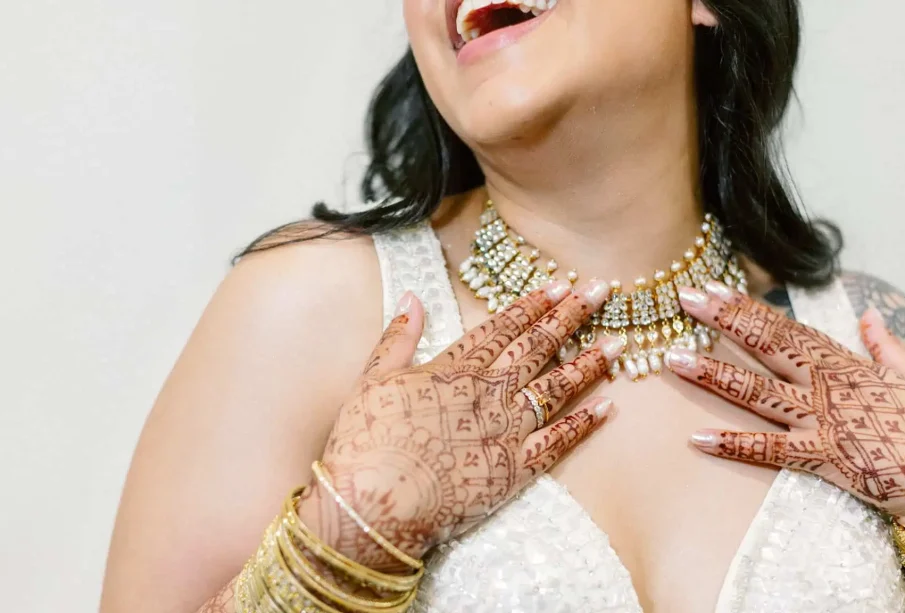
In South Asian cultures, traditional gold jewelry plays a central role in wedding dowries and ancestral inheritances. Pure 22-karat and 24-karat gold sets, crafted with intricate filigree, kundan setting, or meenakari enamel, are passed down from mothers to daughters. These items represent far more than bridal beauty; they provide women with unconditional, independent financial security that cannot be alienated by external family pressures.
In European and early American societies, mourning jewelry of the Victorian era captured emotional bereavement through wearable art. Pieces made from woven human hair, carved black jet, or enameled miniature portraits were kept in family lines for generations, serving as somber reminders of enduring familial devotion across the boundary of mortality.
Indigenous and tribal communities throughout the Americas, Africa, and Oceania have long used shell ornaments, hammered silver, turquoise, and jade as lineage markers. These pieces carried spiritual lineage, tribal affiliations, and familial responsibilities, proving that the human impulse to codify identity into wearable heirlooms is an instinct shared across diverse cultures.
Artisanal Craftsmanship Versus Modern Mass Production
Part of what gives true antique and vintage heirloom jewelry its distinct soul is the lost art of period craftsmanship. Contemporary jewelry production relies heavily on automated computer-aided design software, high-speed centrifugal casting machines, and synthetic stone setting. While efficient, modern techniques often lack the subtle imperfections and structural integrity found in vintage pieces.
-
Hand-Pierced Details and Filigree: Edwardian and Art Deco jewelers worked directly under magnification with hand-held saws to carve out delicate platinum lace patterns. This level of intricate fretwork cannot be faithfully reproduced by automated machinery without leaving telltale casting seams.
-
Historic Diamond Cuts: Before modern round brilliant diamonds were standardized by computerized mathematical models, diamonds were cut entirely by hand using candle or oil-lamp light. Old Mine cuts and Old European cuts feature higher crowns, smaller tables, and open culets designed to sparkle under soft, dancing flame rather than harsh artificial spotlights. These stones carry an organic individuality that modern stones lack.
-
Die-Struck Durability: Many early twentieth-century rings were created through die-striking, a process where immense pressure compacted the metal into extremely dense, durable forms. This mechanical density explains why an heirloom ring from the 1920s often survives a century of daily wear with sharp detailing, whereas cast modern rings wear down much faster.
The Modern Revival: Reinventing and Redesigning Heirlooms
A common dilemma in modern households occurs when an inherited piece does not match the contemporary aesthetic of the recipient. An ornate yellow-gold cocktail ring or heavy Victorian brooch might sit unworn in a safety deposit box because it feels incompatible with an everyday, minimalist wardrobe.
Fortunately, modern jewelry traditions have embraced the concept of heirloom redesign. Far from disrespecting family heritage, thoughtfully modifying an heirloom breathes fresh vitality into the piece, ensuring it remains out in the world rather than hidden away.
-
Resetting Center Gemstones: Removing an antique diamond, ruby, or emerald from an outdated mounting and placing it into a clean, modern bezel or minimalist prong solitaire allows the stone to continue its generational journey in an everyday wearable format.
-
Repurposing Accent Stones: Clusters of smaller diamonds from an inherited brooch can be redistributed across multiple modern pieces, such as delicate stacking bands, scatter earrings, or station necklaces, allowing several siblings or cousins to share a piece of a single ancestral heirloom.
-
Melting and Recasting Metals: Many custom jewelers can melt down ancestral gold to forge new, bespoke wedding bands. This practice retains the literal physical atoms and sentiment of the original piece while creating a fresh structural foundation built for decades of new adventures.
Sustainable Fashion and Conscious Stewardship
In recent years, the global conversation around ethical mining, diamond tracing, and the environmental footprint of heavy metal extraction has intensified. Heirloom jewelry represents the ultimate form of sustainable luxury.
Passing down existing jewelry completely bypasses the ecological and human costs associated with new mining operations. Inheriting, repairing, and redesigning vintage jewelry requires zero fresh excavation, utilizes circular economies, and preserves artisanal work from the past. By honoring heirloom traditions, modern consumers actively participate in a conscious, low-impact lifestyle while wearing jewelry of vastly superior historical and artistic value.
Heirloom jewelry traditions remind us that we are fleeting caretakers of timeless materials. Long after cars, electronics, and standard clothing have returned to the earth, the precious metals and gemstones passed between loving hands remain intact. Wearing an heirloom connects the present moment to an expansive lineage of human devotion, craftsmanship, and memory, transforming personal adornment into a profound, wearable legacy.
Frequently Asked Questions
How should someone document the provenance and history of family heirloom jewelry?
Maintain a dedicated physical ledger or digital file stored alongside your important documents. Record high-resolution photographs of the item from multiple angles, document makers marks or hallmarks, and write down an oral history that includes names of previous owners, approximate dates of acquisition, significant life milestones tied to the piece, and any professional appraisals. Store this information in duplicate to ensure future generations understand the sentimental and legal context of the jewelry.
What is the most effective way to care for and clean antique heirloom pieces?
Antique jewelry requires gentler cleaning techniques than modern jewelry because settings, organic gems, and older solders can be fragile. Avoid ultrasonic cleaners and harsh chemical dips, which can fracture older stones or dissolve stabilizing glues. Use warm water mixed with a few drops of mild, fragrance-free dish soap, gently clean around prongs and galleries using a baby-soft toothbrush, and dry the piece thoroughly with a lint-free microfiber cloth.
How do you handle estate division when multiple family members wish to inherit a single piece?
Open, early family communication is the most effective way to prevent future disputes. Matriarchs and patriarchs should discuss their wishes openly or document precise inheritances in formal estate planning documents while in good health. If a single significant piece exists without clear instruction, families can either agree on a generational rotation schedule, have a master jeweler split accent stones into matching custom pieces, or professionally appraise the item and balance value using other estate assets.
Are older heirloom diamond cuts valued the same as modern diamond cuts during appraisals?
Antique diamond cuts such as Old European and Old Mine cuts are valued differently than modern round brilliant stones. Modern diamonds are graded against rigid algorithmic formulas measuring light refraction and symmetry. Antique cuts are evaluated for their historical rarity, hand-cut uniqueness, facet balance, and collector demand. While their traditional cut grade may not align with modern commercial scales, their vintage provenance often commands strong premiums in specialized antique markets.
What precautions should be taken before deciding to alter or reset an heirloom piece?
Before resetting stones or melting metal, take the item to an independent, accredited gemologist or antique jewelry appraiser who does not sell jewelry. You need to determine whether the piece was made by a historic design house, carries exceptional collectible value in its unaltered state, or has fragile characteristics such as foil backings or delicate enameling that could be ruined during benchwork. Once market rarity is verified, choose a custom jeweler who specializes specifically in heirloom remodels.
How often should heirloom jewelry settings and prongs be inspected by a professional?
Heirloom jewelry that is worn regularly should undergo a professional inspection by an experienced bench jeweler at least once every twelve months. Jewelers will examine the piece under magnification to check for thinning prongs, loose stone bezels, worn-down shank metal, loose clasps, and micro-fractures in structural joints. Catching minor wear early prevents catastrophic gemstone loss.
Can costume jewelry or non-precious metals qualify as genuine family heirlooms?
Yes, heirloom status is defined by emotional significance, shared memory, and familial transmission rather than monetary value. Many families treasure mid-century costume jewelry made from base metals, glass crystals, or rhinestones because they were worn daily by a beloved relative. While costume pieces require special care to prevent oxidation, their sentimental value within a family narrative can easily equal that of precious gemstones.