The Rise of Direct-to-Consumer Clothing Brands: Are They Better?
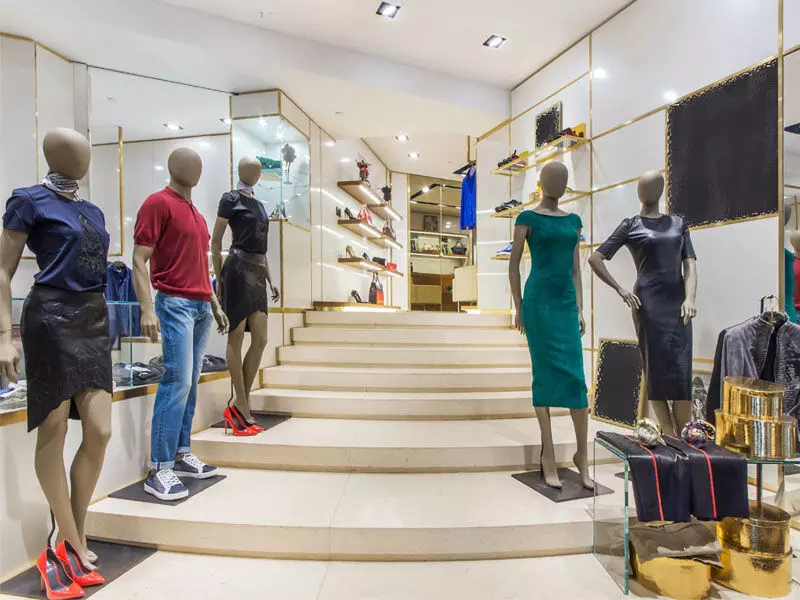
For decades, buying clothes followed an identical script. A design house created a garment, contracted a factory to produce it, and sold the inventory to department stores or specialty retailers at wholesale rates. Those retailers marked up the items by several multiples to cover storefront leases, sales commissions, distribution centers, and seasonal markdowns. Consumers paid the final bill, often accepting high price tags under the assumption that a luxury markup directly correlated with artisanal construction.
Over the past fifteen years, the direct-to-consumer model completely altered this dynamic. Propelled by ubiquitous digital advertising, streamlined e-commerce infrastructure, and shifting consumer sentiment toward supply chain transparency, direct-to-consumer fashion brands promised a radical proposition: eliminate the middlemen, manufacture garments in the same specialized facilities as legacy fashion houses, and sell directly to shoppers online at a fraction of standard retail prices.
Yet as the initial wave of digital native brands matures, the original economic promise has begun to fray. Customer acquisition costs across social platforms have surged, supply chain complexities have grown, and physical retail expansion has returned as a necessity for continued brand scale. To determine whether direct-to-consumer clothing brands are genuinely superior to traditional retailers, one must look past modern marketing narratives and evaluate actual product performance, operational economics, and consumer value.
The Core Advantages of the Direct-to-Consumer Model
The rise of digital apparel brands was not an accident of marketing; it was built on genuine mechanical efficiencies that delivered palpable improvements to the consumer experience.
-
Better Raw Materials per Dollar: Traditional department store garments often operate on retail markups between four and eight times production costs. By bypassing wholesale margins, direct brands could allocate larger portions of their unit economics to raw materials—such as long-staple Egyptian cotton, heavy French terry, or traceable merino wool—while maintaining accessible price tags.
-
Direct Supply Chain Transparency: Modern shoppers increasingly demand accountability regarding labor practices and environmental footprints. Many digital-first brands built their reputations on disclosing factory working conditions, fair wage standards, and true production costs down to hardware and shipping.
-
Agile Production Cycles: Legacy brands plan collections twelve to eighteen months in advance, locking in fabric orders and silhouette forecasts that may misjudge consumer demand. Digital brands leverage real-time purchase data and customer feedback loops to manufacture in tighter batches, reducing deadstock and adapting silhouettes quickly.
-
Curated Product Catalogs: Traditional department stores carry tens of thousands of SKUs, forcing shoppers through endless racks or confusing digital navigation. Many direct-to-consumer labels solved decision fatigue by focusing on category excellence: perfecting the casual button-down, refining performance chinos, or producing single-weight tees in consistent fits.
The Hidden Realities and Trade-offs
Despite these structural advantages, the direct-to-consumer apparel landscape is not without significant compromises. The operational realities of running an independent digital business introduce distinct pain points that legacy retail had spent decades solving.
The Illusion of Wholesale Elimination
Early marketing often framed the direct-to-consumer model as cutting out waste to give consumers a windfall discount. In reality, the traditional markup structure existed to fund critical retail logistics: local warehousing, physical customer service, foot-traffic real estate, and instant product returns.
When a digital brand operates exclusively online, those operational costs do not vanish; they simply shift into different line items. The capital that traditional retailers spent on prime mall real estate was redirected into digital ad auctions on major social platforms and search engines. As privacy updates restricted user tracking and ad space became crowded with venture-funded competitors, the cost to acquire a single paying customer skyrocketed. To maintain profitability, many direct-to-consumer companies responded by cutting garment specifications, raising prices, or quietly introducing lower-tier fabric blends.
Sizing and Return Logistical Friction
Apparel remains one of the most tactile consumer goods on the market. Fabric hand-feel, drape, structural stiffness, and millimeter-level tailoring differences cannot be fully translated through high-resolution product photography.
In traditional physical retail, trying on multiple sizes and cuts takes minutes, and return rates hover around eight to ten percent. In the direct-to-consumer ecosystem, return rates regularly climb between twenty-five and forty percent. Managing individual returns creates substantial environmental burdens and logistical friction for both the merchant and the shopper. Consumers must package items, print shipping labels, and wait weeks for refunds, while brands absorb shipping freight that eats away at their margin advantages.
The Gradual Shift to Brick-and-Mortar
The ultimate irony of the direct-to-consumer revolution is its eventual convergence with traditional retail. As pure digital growth hit saturation ceilings, leading digital-first fashion brands began opening brick-and-mortar showrooms and flagship stores across major metropolitan hubs. Many established wholesale partnerships with the exact department stores they once claimed to obsolete.
This evolution reveals an important truth: physical touchpoints remain indispensable for long-term customer trust and sustainable customer acquisition. The modern direct brand often functions as a hybrid retailer, sharing many of the exact overhead costs that defined the previous retail era.
Direct-to-Consumer versus Traditional Retail: A Structural Evaluation
To understand which model serves the consumer better, it helps to compare how both retail structures manage key aspects of the apparel lifecycle:
-
Fabric and Hardware Quality: Direct brands generally lead in mid-tier basics, offering premium natural textiles without the prestige markup. However, legacy heritage brands still retain exclusive mill contracts and deep institutional tailoring expertise that digital startups struggle to replicate.
-
Fit Reliability and Consistency: Traditional brands with decades of pattern libraries offer standardized sizing across broad demographics. Direct brands frequently adjust sourcing factories between production runs, which can lead to variance in sleeve lengths, chest widths, and waist measurements across seasons.
-
Customer Support and Immediacy: Traditional brick-and-mortar stores provide instantaneous exchange, alteration services, and in-person assistance. Direct brands depend on automated chatbots, email support queues, and third-party parcel carriers.
-
Longevity and Support: Established global retail chains possess balance sheets designed to weather economic downturns. Digital apparel startups often operate with thin reserves; if an emerging direct brand ceases operations, lifetime warranties, product support, and replacement components evaporate overnight.
The Final Verdict
Direct-to-consumer clothing brands are not universally better, but they have fundamentally raised consumer standards across the entire apparel sector. They forced legacy retailers to rethink opaque supply chains, modernize digital interfaces, and justify inflated brand premiums.
For consumers seeking high-grade wardrobe essentials, transparent textile sourcing, and streamlined styling without prestige logos, direct-to-consumer brands frequently deliver superior value per dollar spent. For formal tailoring, technical outerwear requiring specialized testing, or items where in-person tactile fit is paramount, traditional retail and dedicated specialty stores still hold a decided advantage. The best approach for the modern wardrobe is not blind loyalty to a distribution model, but a selective balance between direct-to-consumer essentials and time-tested retail specialists.
Frequently Asked Questions
Why do some direct-to-consumer brands eventually begin selling in department stores?
Direct-to-consumer brands expand into wholesale partnerships when digital customer acquisition costs become too expensive to sustain growth. Selling through established department stores provides exposure to new demographics, predictable bulk purchase orders, and physical presence without the immense capital expenditure required to lease, build, and staff independent standalone boutiques.
Are direct-to-consumer brands more environmentally sustainable than traditional apparel companies?
Not necessarily. While direct brands often emphasize organic textiles and reduced inventory waste through small-batch runs, high online return rates generate substantial carbon emissions through individual parcel transit. Furthermore, returned garments often incur damage or handling costs that make repackaging economically unviable, sometimes resulting in discarded inventory.
How do direct brands manage to offer luxury factory claims at lower prices?
Many textile factories and cut-and-sew facilities accept contracts from multiple brands simultaneously. A single manufacturing facility may produce luxury garments alongside mid-market apparel. However, sharing a factory does not guarantee identical quality; luxury brands often specify higher grade stitching tolerances, proprietary fabric finishes, and tighter quality control standards than their direct-to-consumer peers.
What should shoppers look for to verify if a direct brand is actually high quality?
Shoppers should examine garment composition labels rather than marketing descriptions. Look for precise fiber specifications such as two-ply yarn, long-staple cotton, full-grain leather, or high GSM fabric weight indicators. Additionally, review the return shipping policy, whether the brand provides detailed garment measurements rather than generic body charts, and how openly they disclose manufacturing origins.
Do direct clothing brands offer reliable sizing compared to legacy labels?
Sizing can be less consistent among digital-first labels because they often rely on newer pattern blocks and may shift production across different overseas contract facilities to manage production costs. While legacy retailers benefit from decades of standardized fit data across millions of customers, direct brands require shoppers to rely heavily on precise measurement tables.
Why do venture capital investments impact the product quality of direct apparel brands?
When a fashion brand accepts venture capital funding, it is pressured to achieve rapid, exponential revenue growth to satisfy investor return horizons. Once low-hanging digital sales are exhausted, maintaining aggressive growth targets often forces brands to cut production costs, source less expensive fabric blends, and broaden product catalogs at the expense of original core craftsmanship.
Can custom-tailored direct-to-consumer brands replace an in-person tailor?
Digital custom clothiers offer an accessible entry point for custom dimensions using self-measurements or algorithm-based estimations. However, they cannot account for nuanced posture variations, shoulder slopes, or how individual fabrics stretch across complex physical frames as effectively as an experienced tailor performing manual fittings in real time.